

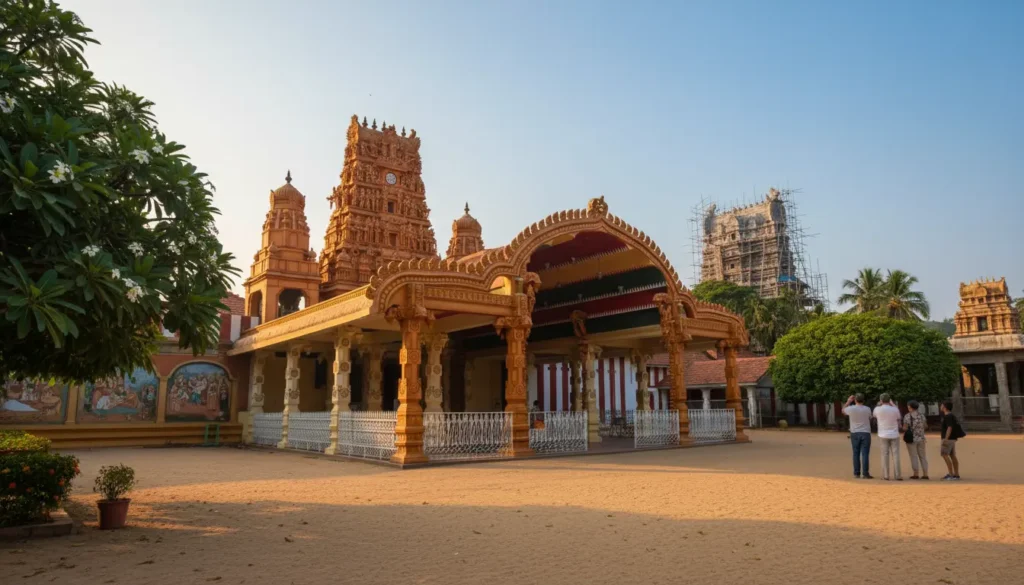
The best things to do in Jaffna include watching the evening fire puja at Nallur Kandaswamy Kovil, taking the ferry to Delft Island to see wild horses, walking the sunset ramparts of Jaffna Fort, eating legendary Jaffna-style crab curry, swimming at Casuarina Beach, and soaking in Keerimalai Hot Springs. Most visitors need 3 to 5 days to cover the top 15 attractions.
Jaffna at a Glance
- Best time to visit: January to March (dry season, 28-32°C). August for Nallur Festival.
- How many days: Minimum 3 nights. Ideal 4 to 5 nights for island trips.
- Languages: Tamil (main), Sinhala, English in tourist areas.
- Safety: Very safe for tourists. Friendly locals. Petty crime is rare.
The smell hit me before anything else. Camphor, jasmine, and something sweet I couldn’t name. I was standing barefoot on warm sand inside Nallur Kandaswamy Kovil, watching a priest carry fire in a brass plate while drums beat from somewhere I couldn’t see. A woman beside me pressed her palms together and closed her eyes. I did the same. That moment, confused yet moved, was my first real taste of Jaffna.
If you’re looking for things to do in Jaffna, I’ll be honest with you. It feels like a different country. Lonely Planet named it the #1 most exciting destination for 2026, and as a local, I understand why. Before I started traveling north, my Sri Lanka was the south. I knew Galle, Mirissa, and Ella. These places run on Buddhist traditions and Sinhalese culture. Jaffna is different. It runs on Tamil Hindu culture, spicy South Indian-influenced food, and a history that’s equal parts painful and proud.
The civil war ended here in 2009. The scars are still visible, but so is the incredible rebuilding. This guide covers my personal top 15 places to visit in Jaffna, with real prices, honest tips, and a few wrong turns I made so you don’t have to.
1. Nallur Kandaswamy Kovil: Watch the Evening Fire Ceremony
Nallur Kandaswamy Kovil is the most important Hindu temple in Jaffna. Dedicated to Lord Murugan, it dates back to 948 AD and has been destroyed and rebuilt multiple times. The current structure was completed in 1734.
Come for the evening puja at 5:00 PM or 6:45 PM. This is when the temple truly wakes up. Priests carry brass plates of fire through the inner chambers. Drums pound. Bells ring. Devotees line up to receive blessings. The 4:30 PM “special puja” is also good, but the 6:45 PM session has the energy you want to experience.
Tip: Men must remove their shirts before entering the inner area. No exceptions. Women should cover shoulders and legs. Leave your shoes at the entrance and bring dark socks because the sandy courtyard gets hot in the afternoon. And please, no photography inside the main temple. I learned that the hard way when a gentle priest shook his head at my phone.
2. Jaffna Fort: Walk the Ramparts at Sunset
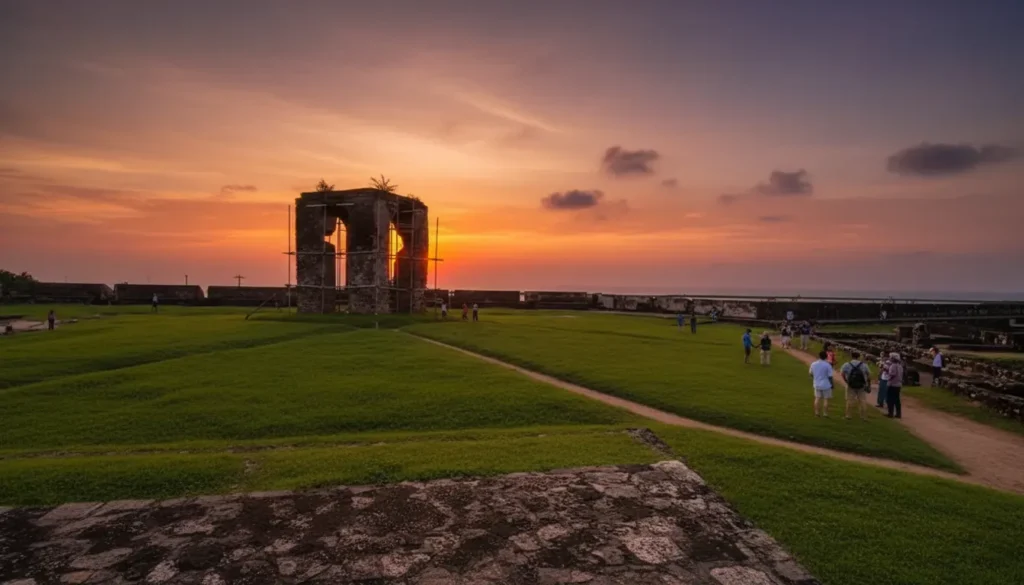
Jaffna Fort is the second-largest Dutch fort in Sri Lanka, after Galle. The Portuguese built it in 1619, the Dutch expanded it, and the British took over in 1795.
It’s not as “polished” as Galle Fort. Let me be honest about that. There are no fancy cafes inside, no boutique shops. But that’s exactly what I love about it. You’ll walk the ramparts almost alone, looking out over the lagoon and the old moat. Come at 5:00 PM for sunset. The sky turns orange and the fort walls glow warm yellow.
3. Delft Island: See Wild Horses on a Remote Island
Delft Island (Neduntheevu) is the most remote inhabited island near Jaffna. The Dutch brought horses here centuries ago, and their descendants still roam the flat coral landscape. There’s also a massive baobab tree that looks completely out of place in Sri Lanka.
Getting there is an adventure. Take Bus 776 from Jaffna bus station to Kurikadduwan Jetty (1 hour, 200 LKR). Then catch the Sri Lanka Navy ferry at 8:00 AM. The ride takes about an hour. Return ferries leave Delft at 2:30 PM and 4:00 PM.
Heads up: The ferry is old, crowded, and rocky. A few people on my boat looked green by the end. But stepping onto Delft felt like arriving somewhere forgotten. Hire a tuk-tuk on the island (about 500 LKR) to find the horses near the western coast.
4. Nagadeepa Purana Viharaya: Take a Boat to a Sacred Island
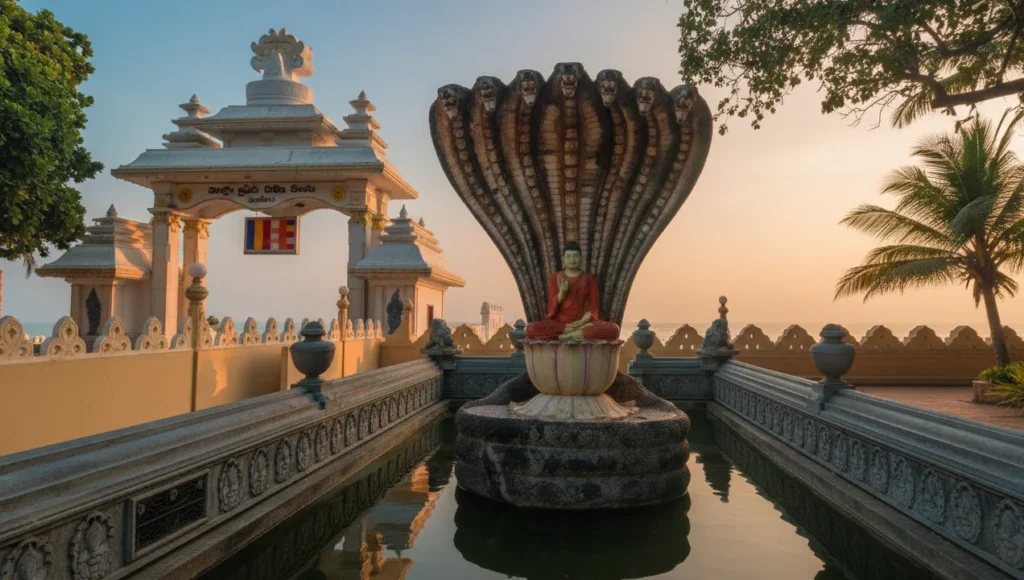
Nagadeepa Purana Viharaya is a Buddhist temple on tiny Nainativu Island, believed to be a place Lord Buddha himself visited. For a region that’s mostly Hindu, this temple is a beautiful reminder of how faiths overlap in our country.
The boat ride from Kurikadduwan Jetty takes about 15 to 20 minutes. The temple is small but peaceful. You will see white stupas, Buddhist flags, and hear the sound of waves. Combine this with a visit to the Hindu Nagapooshani Amman Temple on the same island. Seeing a Buddhist stupa and a Hindu kovil 200 meters apart (both ancient, both active) says more about Sri Lanka than any guidebook can.
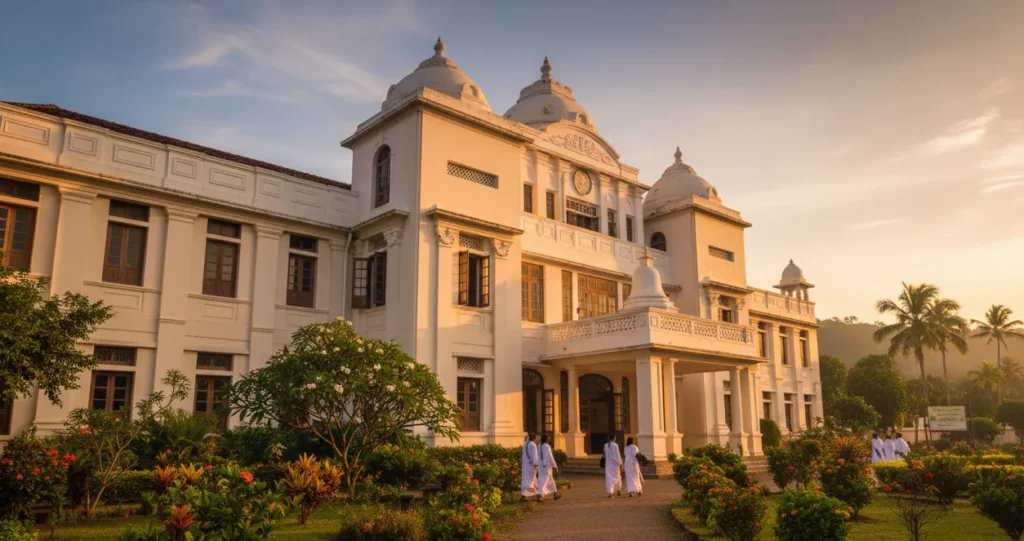
5. Jaffna Public Library: Understand Why This Building Matters
The Jaffna Public Library looks like a beautiful white colonial building, but it carries one of the saddest stories in our history. In 1981, a mob burned it down, destroying nearly 97,000 books and irreplaceable Tamil manuscripts.
Rebuilt in 2003, it stands today as a symbol of recovery. When I visited on a Tuesday afternoon in February 2025, a librarian noticed me looking at a display case with old photographs. He walked over and quietly explained, “Not just books. Memory.” It’s a powerful place to visit.
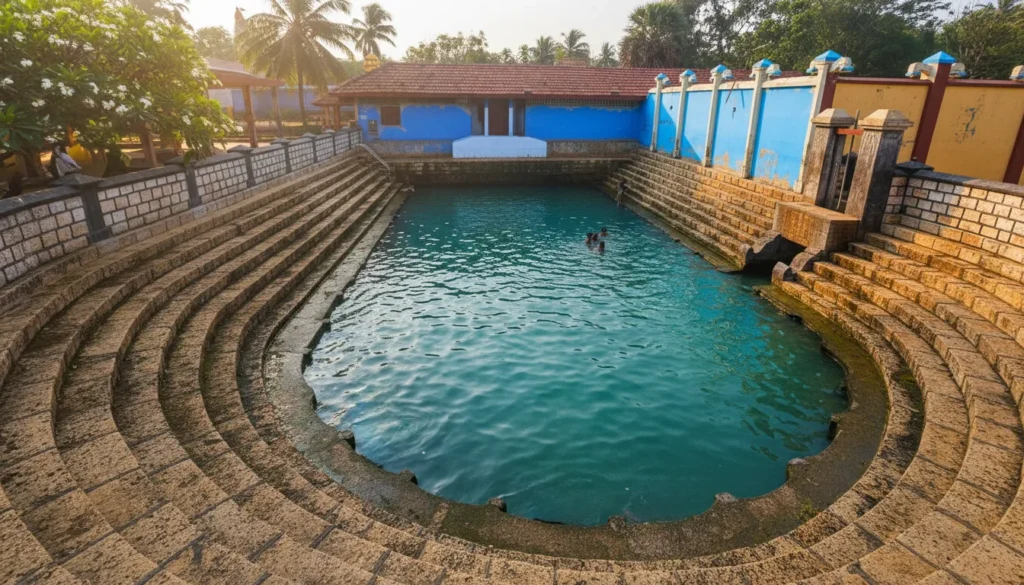
6. Keerimalai Hot Springs: Soak in Sacred Seaside Pools
Keerimalai Hot Springs sit right on the edge of the ocean at the northern tip of the peninsula. These natural spring-fed pools have been a sacred bathing spot for Hindus for centuries.
There are separate pools for men and women. The men’s pool is open-air with ocean waves crashing just meters away. It’s a strange and wonderful feeling to have warm spring water on your body while the sea wind hits your face.
Note: Bring modest clothing. This is a religious site and not a resort pool. I made the mistake of wearing bright board shorts; everyone else was in dark clothing. Learn from me!
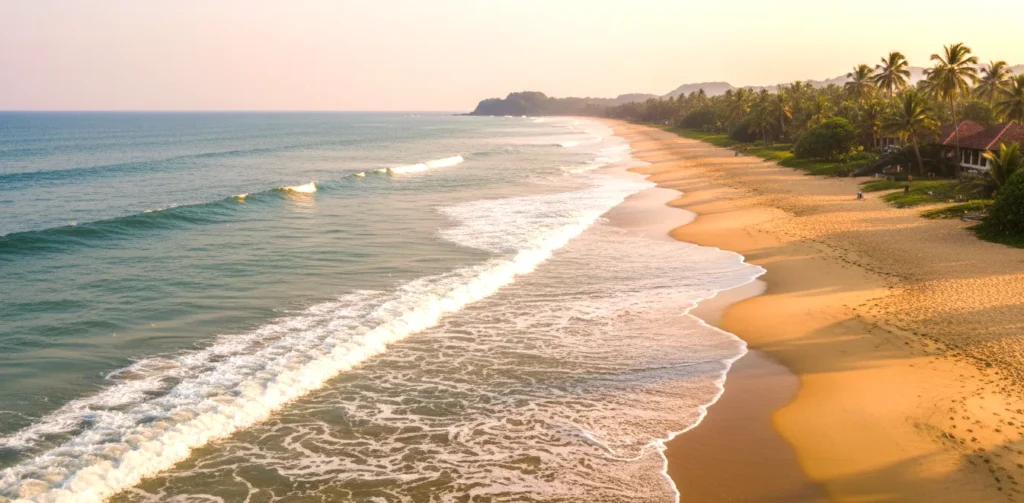
7. Casuarina Beach: Find Sri Lanka’s Best-Kept Beach
Casuarina Beach is one of the most beautiful places in Jaffna, and most tourists have no idea it exists. Located on Karainagar Island, it has white sand, clear water, and almost nobody on it.
When I visited in March 2025, I counted seven people on the entire beach. Seven. That doesn’t happen down south. It’s about a 45-minute tuk-tuk ride from the city. Bring your own water and snacks, and visit between January and April for the best swimming conditions.
8. Jaffna Crab Curry: Eat the Dish This City Is Famous For
If Jaffna is famous for one thing among Sri Lankan food lovers, it’s Jaffna crab curry. This isn’t the coconut-milk-based curry we eat in the south. It’s thinner, darker red, and built on a paste of roasted spices and tamarind. It hits your tongue with heat and then a sour kick follows.
Expect to pay 2,000 to 4,000 LKR ($7-13) for a crab curry meal. I ordered a “rice and curry” expecting the usual spread of six curries. Instead, I got three intense dishes and a mountain of red rice. It was hotter than anything I’d eaten in Colombo. My eyes watered. I went back the next day.
9. Jaffna Market: Walk Through the Colors and Chaos
Jaffna Market is loud, messy, and wonderful. Located near the bus station, you’ll find heaps of fresh vegetables, dried fish stacked in pyramids, and sacks of spices.
This isn’t a tourist market. Nobody is selling fridge magnets. Look for Jaffna’s famous palmyra-based sweets. Odiyal (small dark cakes made from palmyra fruit) is the one to try. Go in the morning between 7:00 and 10:00 AM before the heat kicks in.
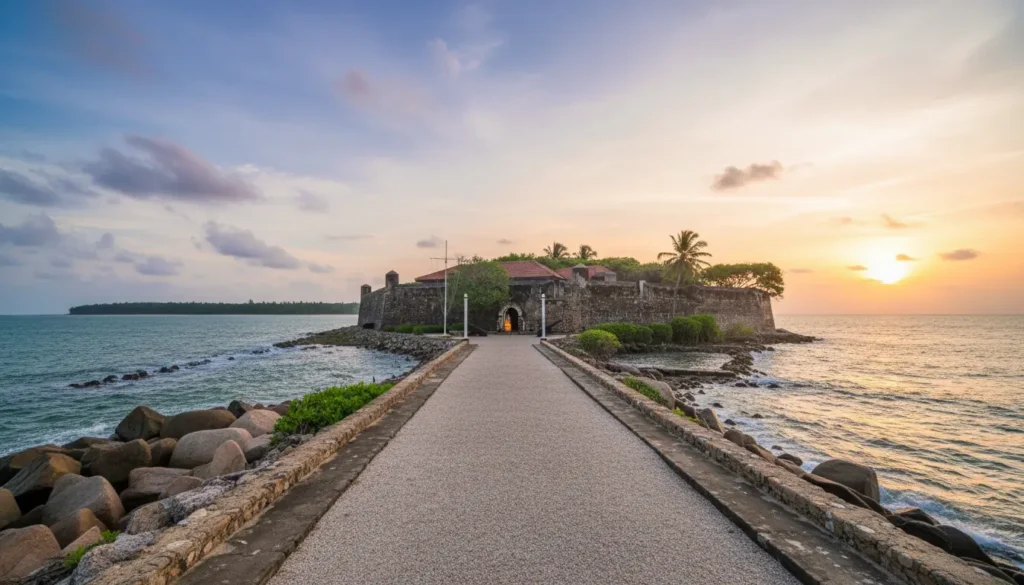
10. Kayts Island and Hammenhiel Fort
Kayts Island (Velanai) is connected to the mainland by a causeway. The real attraction here is Hammenhiel Fort, a small Dutch fort sitting on its own island in the middle of the water.
The Sri Lankan Navy converted Hammenhiel into a small hotel, but you can visit for the day. Floating on a little island with ocean views in every direction is the kind of experience that stays with you.
11. Point Pedro: Stand at the Northernmost Tip
Point Pedro is the northernmost point of our island. That’s it. There’s a small lighthouse, a stretch of beach, and a signpost.
But there’s something satisfying about standing at the very edge of the country. India is only about 30 km away. The wind here is strong and the beach isn’t safe for swimming due to currents, but the drive through the palmyra groves to get here is beautiful.
12. Nainativu Island: Visit Two Faiths Side by Side
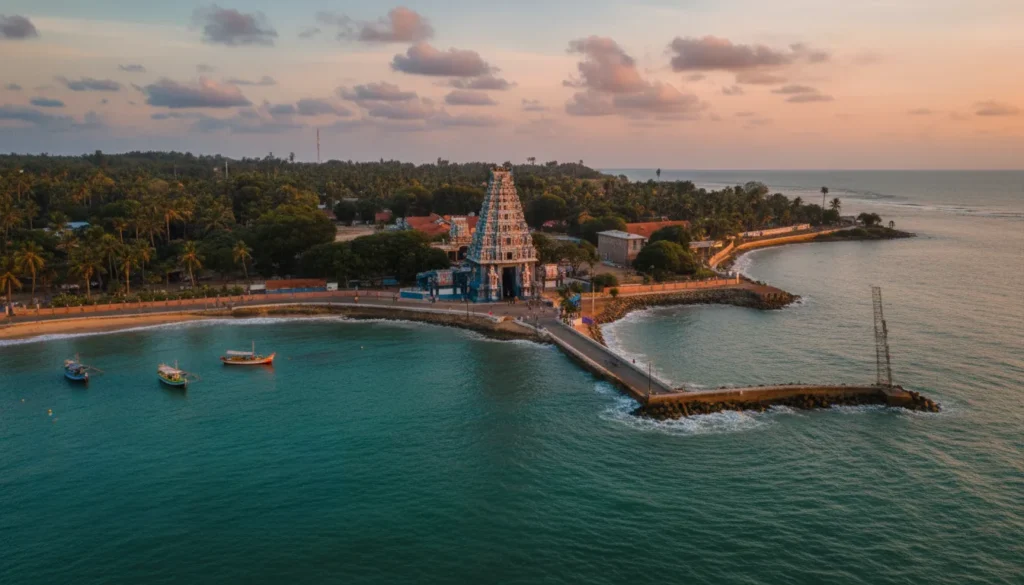
Nainativu (same island as Nagadeepa) holds both the Buddhist temple and the Hindu Nagapooshani Amman Temple. The Hindu temple is one of the most colorful kovils in all of Sri Lanka, with a towering gopuram.
Inside, the atmosphere is calm and intense at the same time. Unlike Nallur Kovil, photography is allowed in most areas here, but ask first. You can visit both temples in under 2 hours.
13. Jaffna Cooking Class: Learn to Make Crab Curry
Several families in Jaffna now offer cooking classes from their homes. You’ll learn to make Jaffna crab curry from scratch: roasting spices, grinding the paste, cracking the crabs.
My cooking class was at a family home near Nallur. The mother did most of the teaching while her daughter translated. I burned my first batch of roasted chili. The whole kitchen filled with smoke and we all laughed. By the end, I had five dishes on a banana leaf and felt proud of every one.
14. Cycling Around Jaffna Peninsula
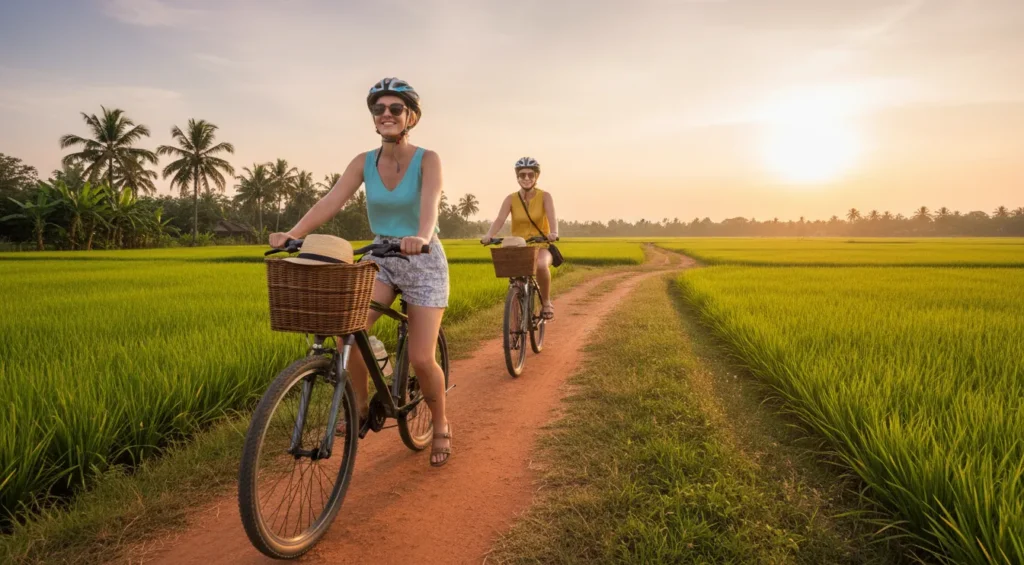
Jaffna’s peninsula is flat. Completely flat. That makes it perfect for cycling. Several guesthouses rent bicycles for 500 to 800 LKR ($2-3) per day.
A full-day cycling route from Jaffna city to Keerimalai and back covers about 30 km. You’ll ride through palmyra palm groves, past small kovils, and through farming villages where people wave at you. Start early, before 7:00 AM, and bring sunscreen. I forgot mine once and paid for it with a very red neck.
15. Nallur Festival: Sri Lanka’s Longest Temple Festival
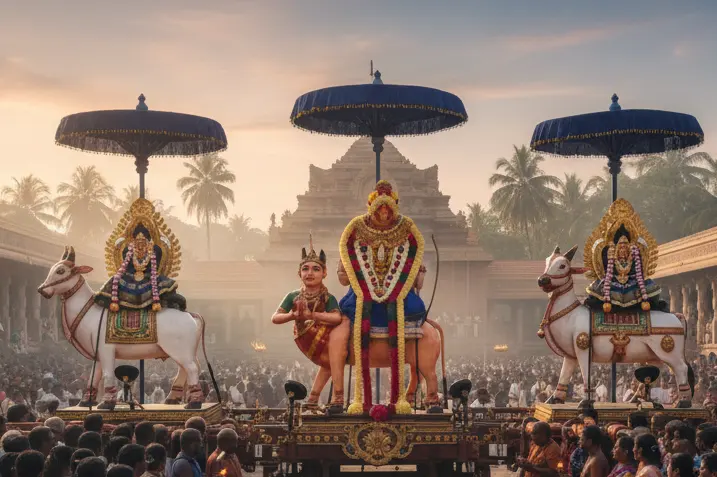
If you can time your visit for late July to late August, the Nallur Festival is unlike anything else in Sri Lanka. This 25-day celebration draws hundreds of thousands of devotees. The 2026 festival is expected to start around August 12.
The chariot festival day (Ther Thiruvizha) is the biggest. Drums pound, crowds press in, and the energy is electric. It’s the deepest cultural experience you can have in the north.
Cultural Tips
- Remove shoes before entering any temple.
- Men must remove shirts at Nallur Kovil.
- Jaffna is more conservative than the south. Shorts and tank tops are fine at beaches, but cover up in town.
- Learn two words: “Vanakkam” (hello) and “Nandri” (thank you). Locals love it when you try.
Jaffna changed how I think about my own country. Before I went, my Sri Lanka was tea plantations and beach towns. That’s only half the story. Jaffna is the other half: Tamil, Hindu, rebuilding, and proud. Of all the things to do in Jaffna, the one I remember most is the simplest. I was sitting on a plastic chair outside a tiny shop in Nallur, drinking sweet milk tea, watching people walk to the evening puja. No rush. No tourists. Just life.
If Jaffna isn’t on your Sri Lanka list yet, put it there.
Author:
Mahesh Jayasekara
– Oreta Travels –