

Sri Lanka Food Guide: 23 Dishes You Must Try
23 Sri Lankan Dishes That Will Change How You Eat
Sri Lankan food is built on rice, coconut, and spice. It is distinct from Indian cuisine. The must-try dishes include rice and curry (the national meal), hoppers (crispy bowl-shaped pancakes), kottu roti (chopped flatbread stir-fry), Jaffna crab curry, and lamprais (a Dutch-colonial banana leaf packet). Budget travelers can eat well for $5 to $10 per day at local eateries. Most dishes cost under $3. Start with an egg hopper and lunu miris for breakfast. You won’t regret it.
This Oreta Travels food guide covers 23 dishes organized by category. We’ll tell you what it is, how to eat it, where to find the best version, and what it costs. Some of these you loved on the first bite.
Breakfast: 6 Sri Lankan Dishes to Start Every Morning
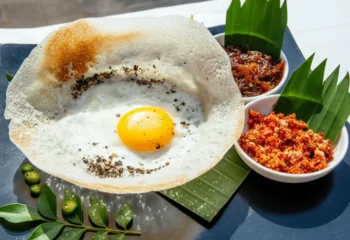
Hoppers (Appa)
Hoppers are bowl-shaped pancakes made from fermented rice flour and coconut milk batter. The edges are thin and crispy while the center is soft and slightly spongy. Egg hoppers have a runny egg cracked into the middle while the batter cooks. Dip the crispy edge into lunu miris (a raw chili and onion paste) or tear off a piece and scoop up some seeni sambol (sweet onion relish). The best hoppers have a faintly sour tang from the toddy in the batter. If they taste flat and bland, the batter wasn't fermented long enough.
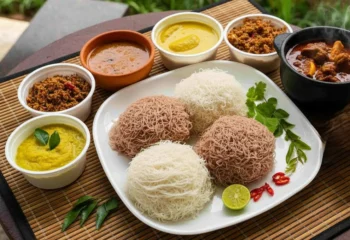
String Hoppers (Idiyappam)
String hoppers are steamed nests of thin rice noodles pressed through a mold onto small wicker mats. They come stacked 5 to 10 on a plate. This is a breakfast and dinner staple across the island. You don't eat them alone. Pile dhal curry, pol sambol, and a fish or chicken curry on top. Then mix everything together. Eat them fresh. They turn mushy within about 20 minutes of being steamed.
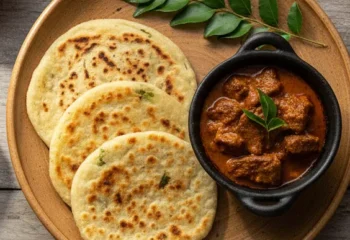
Pol Roti (Coconut Flatbread)
Pol roti is a thick, slightly chewy flatbread made with grated coconut, flour, water, and salt. It's denser and more filling than Indian paratha, with a mild coconut sweetness. Tear off a piece and dip it into dhal curry, seeni sambol, or any meat curry. A pol roti with lunu miris and a cup of tea is one of the cheapest and most satisfying breakfasts on the island. Each one costs about LKR 50 to 100 ($0.15 to $0.30).
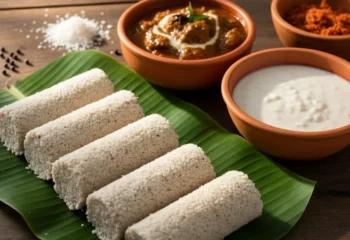
Pittu
Pittu is a cylinder of steamed rice flour and grated coconut. The texture is crumbly and light, with a mild sweetness from the coconut. Pour coconut milk over the top and eat it with a curry on the side. The bamboo-molded pittu has a faintly smoky taste that the metal-tube version doesn't quite match.
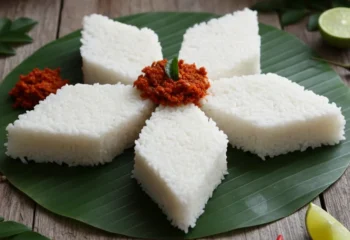
Kiribath (Coconut Milk Rice)
Kiribath is rice slow-cooked in thick coconut milk until creamy and rich, then cut into diamond or rectangular shapes. Sri Lankans eat it to mark celebrations, but it's available most mornings at guesthouse breakfasts. The classic pairing is lunu miris. The creamy, mild rice against the sharp, raw chili paste is a combination that works perfectly. In Kandy, morning stalls near the Temple of the Sacred Tooth Relic sell it wrapped in banana leaves for LKR 100 to 200 ($0.30 to $0.65).
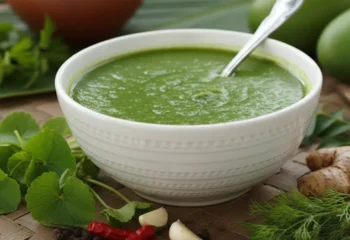
Kola Kanda (Herbal Porridge)
Kola kanda is a thin herbal porridge made from wild leafy greens, rice, and coconut milk. It's part breakfast and part traditional medicine. The taste is mild and earthy, like warm coconut water with a green, slightly bitter edge. It's worth ordering once for LKR 200 to 400 ($0.65 to $1.30).
What to Eat in Sri Lanka: 6 Rice and Main Dishes
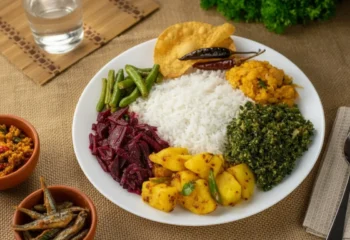
Rice and Curry (The Full Spread)
This is THE meal. Not one dish but a small feast. A mountain of rice surrounded by 3 to 8 different curries, sambols, mallum, and papadum. Every region does it differently. Coastal towns favor fish curry. Kandy leans vegetarian. Jaffna goes heavy on the chili. The number of side dishes tells you the quality of the place. If you get fewer than 4 curries, try somewhere else. I once ordered rice and curry at a tiny place in Haputale that had no menu. The owner brought out 8 different curries and a massive heap of red rice.
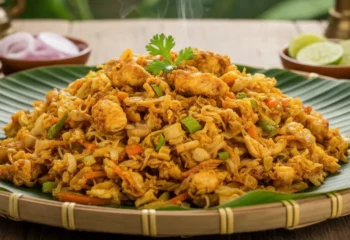
Kottu Roti
You hear kottu before you see it. The rhythmic clang of two metal blades on a hot griddle is the soundtrack of every Sri Lankan evening. This is Sri Lanka street food at its best. Chopped godamba roti stir-fried with vegetables, egg, and your choice of meat. Curry sauce ties it all together. Any roadside stall after dark is the place to eat it. Stall prices run LKR 800 to 2000 ($2.60 to $7.50).
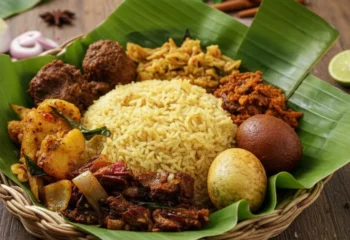
Lamprais
Lamprais is a dish born from Dutch-Burgher colonial history. Rice cooked in meat stock gets wrapped in a banana leaf with meat curry, ash plantain, eggplant pickle, a meatball, and chili paste. The whole package is baked. The banana leaf infuses everything with a smoky quality. VOC Café at the Dutch Burgher Union in Colombo serves the most authentic version.
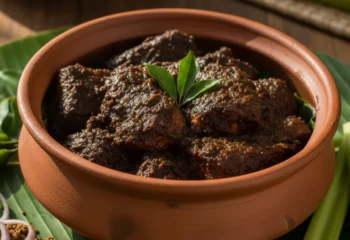
Fish Ambul Thiyal (Sour Fish Curry)
This southern coast original is a dry, intensely sour fish curry. Cubes of firm tuna or skipjack are cooked with goraka, black pepper, and cinnamon. Goraka gives the dish its signature tang and acts as a natural preservative. It's one of the most distinctive curries you'll find anywhere on the island.
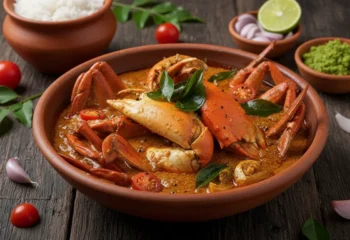
Jaffna Crab Curry (Nandu Kari)
Fresh lagoon crabs cooked in a fiery curry with roasted curry powder, coconut milk, and heavy chili. Jaffna crab curry is not for people who want mild food. Even by Sri Lankan standards, this is intense. It's the best thing to eat in Jaffna, and for many visitors, the best thing they eat in all of Sri Lanka.
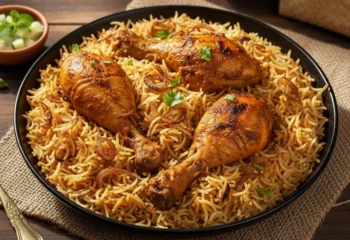
Biriyani (Sri Lankan-Style)
Sri Lankan biriyani is not the same as Indian biryani. The spice blends are local, and the rice is more yellow from turmeric. It comes with a specific set of accompaniments: mint chutney, a slice of pineapple, Malay pickle, and roast chicken. The combination of fragrant rice, sweet pineapple, and sharp pickle is unlike any biriyani you'll find elsewhere.
The Sri Lankan Condiments That Make Everything Better
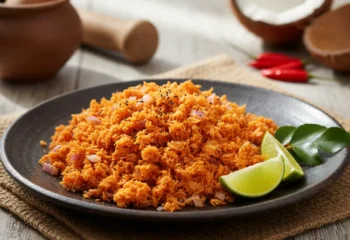
Pol Sambol (Coconut Sambol)
Pol sambol is grated coconut mixed with red chili flakes, chopped onion, lime juice, and salt. Some versions include Maldive fish. It appears at nearly every meal as a reliable, cooling counterpart to hotter curries.
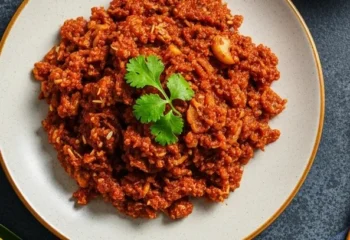
Lunu Miris (Chili Onion Paste)
Lunu miris is a raw, pounded paste of red onion, chili, Maldive fish, lime, and salt. It's sharper and more aggressive than pol sambol. This is what you dip your hoppers into. This is what you spread on kiribath. Lunu miris is the condiment that makes the food here distinctly Sri Lankan.
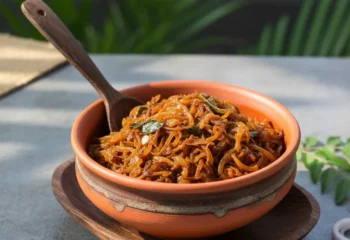
Seeni Sambol (Sweet Onion Relish)
Seeni sambol is caramelized onions slow-cooked with chili, tamarind, cinnamon, and cardamom until dark, sticky, and sweet. The sweetness comes first, followed by a slow, building warmth. This is the gateway sambol for anyone who can't handle serious spice.
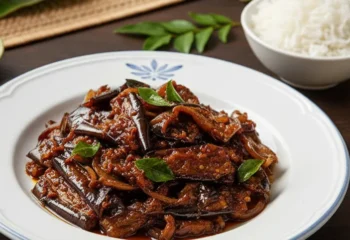
Wambatu Moju (Eggplant Pickle)
Deep-fried eggplant in a sweet, sour, and spicy sauce made with mustard seeds and vinegar. It's always part of the lamprais package, but it also shows up as a side dish with rice and curry. The contrast of textures and the complex sweet-sour flavor make this one of the most surprising dishes on the island.
Sri Lanka Street Food: 4 Snacks You'll See Everywhere
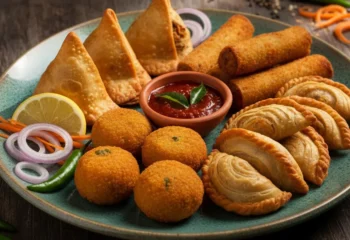
Short Eats
Short eats is the collective name for small savory pastries sold in glass cabinets at bakeries. The lineup includes fish cutlets (deep-fried balls of curried fish and potato), mutton rolls, vegetable patties, and samosas. A cup of tea and 3 short eats costs under $1.
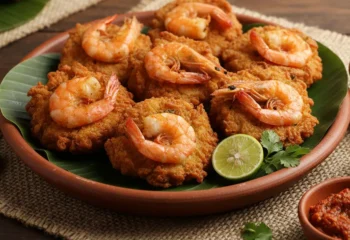
Isso Vadai (Prawn Lentil Fritters)
Isso vadai are crispy deep-fried lentil fritters topped with a whole prawn. They are a Jaffna Tamil specialty that has spread across the island. Eat them hot. Once they cool down, they lose the crunch and turn oily.
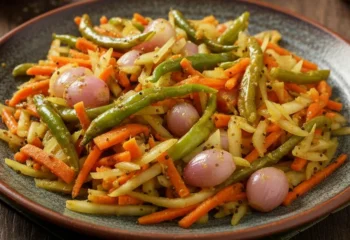
Achcharu (Spicy Pickled Fruit)
Achcharu is fresh fruit cut into pieces and mixed with chili powder, salt, and lime juice. Mango, pineapple, and ambarella are the most common varieties. The combination of sour fruit and chili is an acquired taste, but once you're hooked you'll find yourself stopping at every roadside vendor.
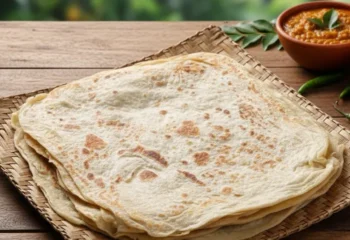
Godamba Roti
Godamba roti is a thin, stretchy flatbread cooked on a hot griddle. It's the base bread for kottu, but it's also eaten on its own or stuffed with egg, vegetables, or cheese. Watch the cooks stretch and fold the dough on the griddle — it's as much a performance as it is street food.
Something Sweet: 3 Sri Lankan Desserts and Drinks
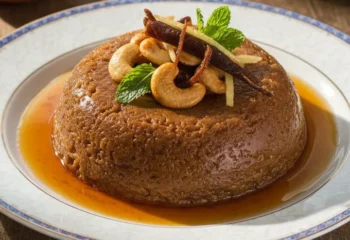
Watalappan (Coconut Custard Pudding)
Watalappan is a steamed custard made from coconut milk, jaggery (palm sugar), eggs, and cardamom. The jaggery gives it a dark caramel color and a toffee-like sweetness. It should wobble when you shake the plate. If it's stiff and rubbery, it's been overcooked.
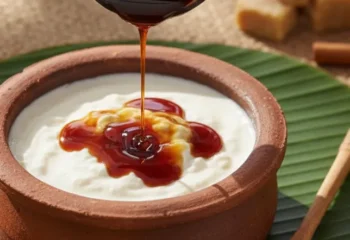
Curd and Treacle (Meekiri and Kithul Pani)
Curd and treacle is one of the simplest and best desserts in Sri Lanka. Buffalo milk curd is served with kithul treacle. Roadside vendors sell the curd in handmade clay pots, especially along the southern highways. Buy your first clay pot on the bus from Colombo to Mirissa - it's a road-trip tradition worth keeping.
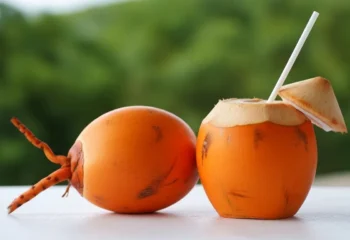
King Coconut and Ceylon Tea
King coconut (thambili) is a bright orange variety sold by vendors everywhere for LKR 150 to 250 ($0.50 to $0.80). Ceylon tea is not just a souvenir export - it's a daily ritual. Milk tea with condensed milk and sugar at a roadside kade costs LKR 50 to 100 ($0.15 to $0.35). Between these two drinks, you'll stay hydrated and caffeinated for the entire trip.
Before You Eat: How Sri Lankan Food Actually Works
A few things to know before your first meal:
Lunch is the main event. Breakfast is lighter, but lunch is where the real eating happens. A typical lunch plate has a mound of rice surrounded by 5 to 8 different curries, a sambol (spicy relish), and papadum.
Coconut is in everything. Coconut milk goes into curries. Coconut oil is the frying medium. Grated coconut flesh is the base for sambols. Even the hopper batter uses coconut milk. If you have a coconut allergy, Sri Lanka will be difficult.
Sri Lankan spices are distinctive. Cooks use two types of curry powder. Roasted (for meat and fish) and raw (for vegetables and lentils). Fresh curry leaves, called karapincha, give Sri Lankan curries their signature aroma.
Eat with your right hand. At local eateries, mixing rice and curry with your fingers is normal and expected. Press a small amount of rice and curry together, then scoop it into your mouth with your thumb. It feels strange for about two minutes. After that, it makes complete sense.
Get a Free Quote Today
We are a team of experienced tour specialists based in Sri Lanka. Our online customer support team brings years of professional expertise in the travel industry. Tell us about your dream tropical vacation, and we will take care of the rest! Contact our travel agent and request a free quote today.