

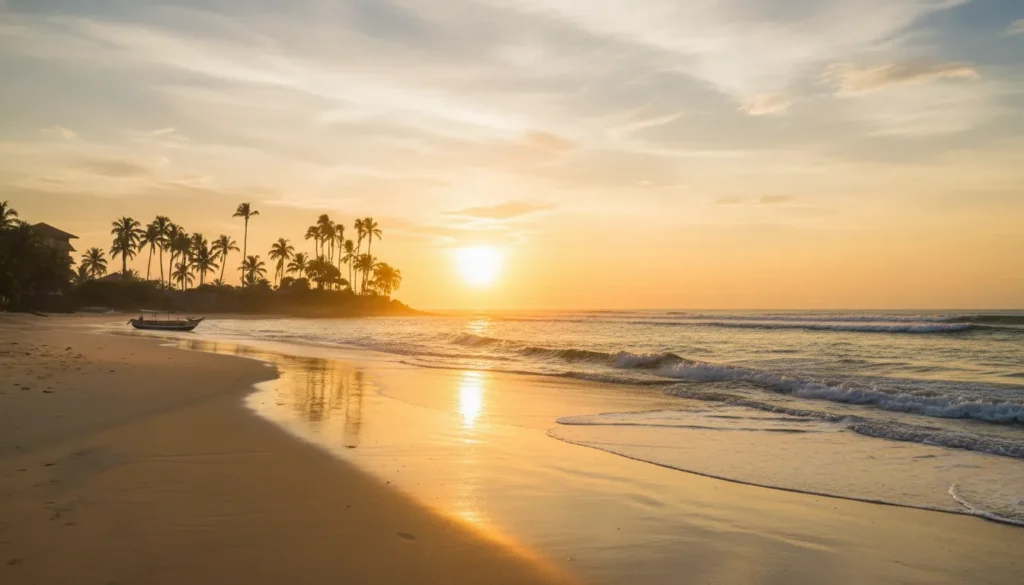
The best time to visit Sri Lanka depends on which side of the island you’re heading to. Two separate monsoons hit opposite coasts at different times, so one side is almost always dry. For south and west coast beaches, visit December to April. For east coast beaches, visit May to September. Sri Lanka is a genuine year-round destination if you pick the right region for the right month.
At a Glance
- Best overall months (first-time visitors): January, February, March
- Best for south/west coast beaches: December to April
- Best for east coast beaches: May to September
- Best for hill country and hiking: January to March, June to September
- Best for wildlife safaris: February to September (varies by park)
- Best for surfing: South coast November to April, east coast May to September
- Best for festivals: August (Kandy Esala Perahera), April (Sinhala and Tamil New Year), May (Vesak)
- Cheapest months to visit: May, June, September, October
- Months to approach with caution: October (wettest island-wide), late April (extreme heat + rain)
- Average temperature range: 25-32°C (77-90°F) coast, 15-25°C (59-77°F) hill country
When to Visit Sri Lanka: What Makes the Weather So Different
Sri Lanka sits below India in the Indian Ocean, small enough to drive across in half a day. But it has two separate monsoon (seasonal rain) systems that affect opposite coasts at opposite times. The southwest monsoon brings rain to the south and west from May to September. The northeast monsoon hits the east and north from October to January.
When one coast is wet, the other is almost always dry and sunny. This guide breaks down every month of 2026 so you know exactly where to go, when to go, and what to expect. I’ve covered weather, festivals, wildlife seasons, surfing, whale watching, and prices. It draws on four trips between 2022 and 2025, and on getting the timing wrong at least twice.
Sri Lanka Weather: Why One Side Is Always Sunny
Think of Sri Lanka as an island with two weather switches. When one flips on, the other flips off.
The southwest monsoon runs from May to September. It brings heavy rain and rough seas to Colombo, Galle, Mirissa, Hikkaduwa, Bentota, and the hill country (Kandy, Ella, Nuwara Eliya). During these months, the east coast and north are dry.
The northeast monsoon runs from October to January. It brings rain to Trincomalee, Arugam Bay, Batticaloa, Jaffna, and the northeast. During these months, the south and west coasts dry out and enter Sri Lanka dry season, their peak period.
Between the two monsoons, short transition periods (April and October/November) bring scattered afternoon thunderstorms across the whole island. October is statistically the wettest month everywhere.
Here’s what caught me off guard on my first trip: “monsoon” doesn’t mean constant rain. Even during Sri Lanka monsoon season on the south coast, mornings are often sunny. Rain usually arrives in a heavy afternoon burst lasting an hour or two, then the sky clears. You can still travel, eat, and explore. You just plan your outdoor time for the morning.
Temperature is not the variable in Sri Lanka weather. Coastal areas sit at 25-32°C (77-90°F) all year. The hill country stays 10-15°C cooler. What changes month to month is rainfall and humidity.
Where to go when (quick summary):
- South and west coasts: best December to April
- East coast: best April to September
- Hill country: best January to March, June to September
- Cultural Triangle (Sigiriya, Dambulla, Polonnaruwa): good most of the year, slightly wet October to December
- North (Jaffna): best January to September
Month by Month: The Best Time to Visit Sri Lanka in 2026
January
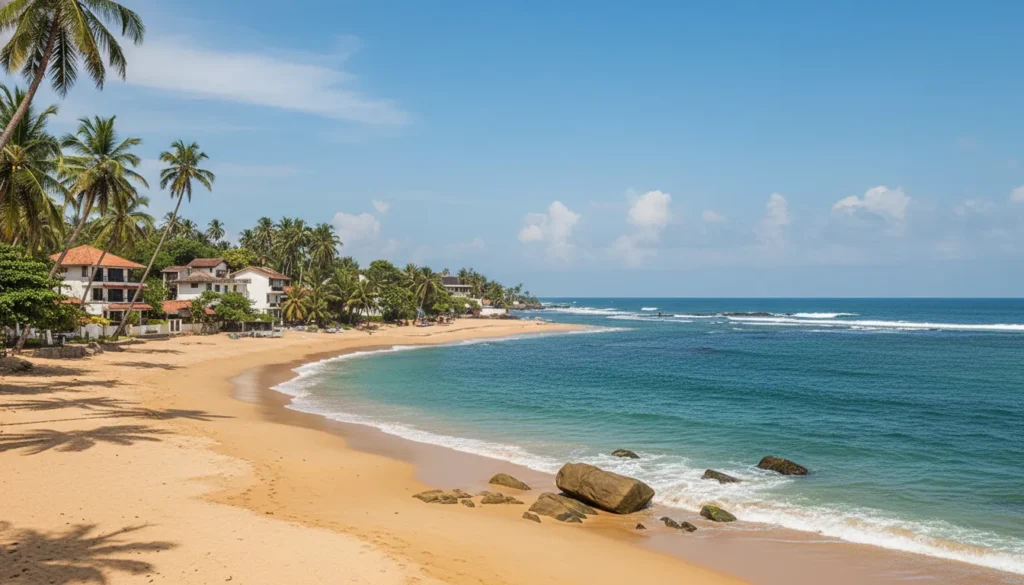
The best single month for a first Sri Lanka trip. South and west coasts are in peak dry season with sunny skies, calm seas, and temperatures around 30°C (86°F). The hill country is dry and cool, perfect for the Kandy to Ella train or hiking the Pekoe Trail.
The east coast is still finishing its northeast monsoon, so skip Trincomalee and Arugam Bay. Crowds are at their highest and prices reflect it. Book well ahead.
The Duruthu Perahera runs January 8-10 at Kelaniya Temple near Colombo. The Galle Literary Festival (January 22-25, 2026) fills the old Dutch Fort with authors and cultural events.
February
South coast sunshine continues, with slightly thinner crowds than January. Weather stays dry and warm across the south, west, and hill country. I hiked near Ella in February 2024 and had three straight days of clear blue skies. Cool mornings around 18°C (64°F). By afternoon on the coast, it was 31°C.
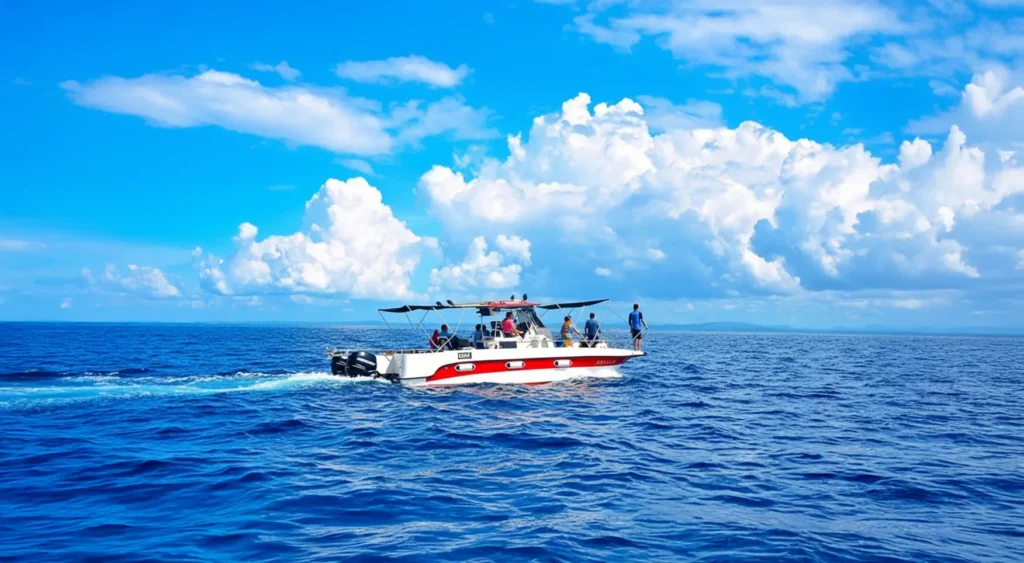
February is peak blue whale season off Mirissa. You can take a morning boat trip and be back on the beach by lunch. Yala National Park enters its best window for leopard sightings (February through June).
Navam Perahera brings a colorful procession to Colombo’s Gangaramaya Temple. Prices are still high season but about 10-15% more manageable than January.
March
My favorite month for the south coast. Weather is still excellent and temperatures climb to 30-32°C (86-90°F). Tourist numbers thin out noticeably. Hotels that were fully booked in January suddenly have rooms, with rates 20-30% lower than peak.
Whale watching off Mirissa is still strong. Adam’s Peak hiking season (December to May) is going well, with clear summit mornings. March is a sweet spot: almost the same weather as January, fewer people, lower prices. If your schedule is flexible, pick March over January.
April
Hot, humid, and unpredictable. April is the transition between monsoons. Afternoon thunderstorms become common across the whole island. Coastal temperatures can hit 33-35°C (91-95°F). Humidity is high.
But April has something no other month can offer. Sinhala and Tamil New Year (April 13-14, 2026) is Sri Lanka’s biggest cultural celebration. Families cook traditional sweets, play games in the streets, and visit temples. The whole country pauses. Some shops and restaurants close.
On my trip in April 2022, I tried to travel from Kandy to Ella on New Year’s Eve. Every train was sold out days ahead. I ended up sharing a three-wheeler with a family who invited me to their house for kiribath (coconut rice). The day didn’t go to plan. It was better than any plan.
May
The monsoon arrives on the south coast. The east coast wakes up. Heavy rain and rough seas hit Colombo, Galle, and the southwest. Red flags go up on south coast beaches. But accommodation discounts of 30-50% start immediately.
The east coast flips to sunny and dry. Trincomalee, Pasikuda, and Arugam Bay enter their season. Arugam Bay’s surf season begins (May to September).
Vesak (May 1-2, 2026) is the most sacred Buddhist festival. Colombo and Kandy fill with colorful lanterns (Vesak koodu), giant lit-up panels (pandals), and free food stalls (dansals). Volunteers run the food stalls, handing out meals to anyone who walks past. It’s worth stopping in Colombo for a night even if you’re heading east.
June
Full monsoon on the south coast. Peak season on the east coast begins. Sri Lanka in June is two different countries. The south and west get daily heavy rain, high humidity, and rough surf. The east coast is warm, dry, and starting to fill with travelers heading to Trincomalee’s white-sand beaches and Nilaveli’s calm water.
June is excellent value on the east coast. European summer crowds haven’t arrived yet (that’s July and August). Whale watching season runs off Trincomalee from May to September. You might share a beach with only a few other people.
The hill country is wet and cloudy with leeches on hiking trails. I’d skip it in June unless you enjoy surprises. I got three leeches through my socks on a trail near Haputale in June 2023. I spent the afternoon pulling them off at a tea shop while the owner laughed and handed me salt.

July
East coast at its best. The Elephant Gathering begins. Arugam Bay is firing with consistent waves (June through August are the best surf months). Trincomalee and Pasikuda are hot, dry, and sunny.
The Minneriya Elephant Gathering starts in July and peaks through September. Hundreds of wild elephants gather around the Minneriya tank as smaller water sources dry up. It’s one of Asia’s greatest wildlife events.
July is the month to combine Arugam Bay surfing, Trincomalee whale watching, and a Minneriya elephant safari. All three sit in the dry zone. Crowds on the east coast increase as European school holidays begin.
August
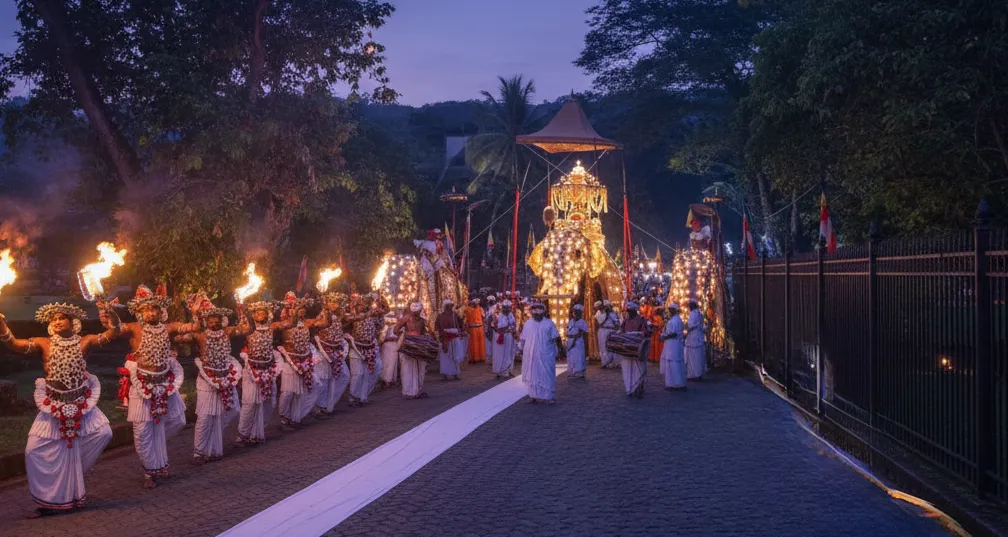
Festival month. The highlight of the Sri Lanka calendar. The Kandy Esala Perahera (August 18-28, 2026) is the event. Ten nights of processions through Kandy’s streets with over 50 decorated elephants, Kandyan drummers, fire dancers, and whip-crackers. It honors the Sacred Tooth Relic of the Buddha.
I saw it in August 2024. Kandyan drumming bounced between the old buildings at night. Incense hung in the air. Elephants draped in gold and red cloth walked slowly through torchlight. It’s hard to describe without sounding like I’m exaggerating. I’m not. Book Kandy accommodation months ahead.
The Nallur Festival in Jaffna (August 16 to September 12, 2026) runs for 25 days honoring Lord Murugan. The east coast remains in peak season. Minneriya elephants are at their most concentrated.
September
The genuine sweet spot that most guides don’t mention. The southwest monsoon is winding down. By late September, the south coast sees increasing sunshine. The east coast is still usable, though the season is ending. The hill country clears up and becomes good for hiking again.
September is shoulder season (the weeks between peak and low season) on both coasts. Hotel prices drop to some of the lowest of the year. During my visit in late September 2022, I walked into a guesthouse in Mirissa without a booking. The owner quoted me half the rate listed on Booking.com. “Low season price,” she said. “You come, I give you the good room.”
The Nallur Festival in Jaffna continues through September 12. Arugam Bay surf season is fading but still rideable. Minneriya elephants are still gathering.
If you want decent weather, low prices, and few crowds, late September is hard to beat.
October
The riskiest month. Lowest prices. October is statistically the wettest month across the whole island. The inter-monsoon transition brings scattered heavy rain everywhere. The northeast monsoon is beginning to affect the east coast and north. The south and west haven’t fully cleared yet.
That said, I know travelers who love October. Hotel deals reach 40-60% off on the south coast. Tourist sites are nearly empty. Rain comes in heavy afternoon bursts, not all day. If you’re flexible and don’t need guaranteed sunshine, you can get lucky between showers.
If you need reliable dry weather, skip October. If you’re a budget traveler who doesn’t mind adjusting plans day by day, it’s the cheapest window all year.
November
An underrated month, especially the last two weeks. The northeast monsoon is hitting the east coast and north. Trincomalee, Arugam Bay, and Jaffna are getting rain. But the south and west coasts are clearing fast. By mid-November, dry season is re-establishing along the south coast. Seas calm down. Beaches reopen.
Deepavali (November 8, 2026), the Hindu Festival of Lights, brings celebrations to Tamil areas across the island. Whale watching season restarts off Mirissa (November to April). Migratory birds arrive at Bundala National Park.
Late November is one of the best-value windows of the year. South coast weather is almost back to peak-season quality, but December prices haven’t kicked in yet. If I could only recommend one underrated time for a Sri Lanka holiday, it’s the last two weeks of November.
December
Peak season returns. The most popular month. South and west coasts are fully dry with sunny skies, warm temperatures, and calm seas. Hill country is dry and cool, with a festive atmosphere in Nuwara Eliya around Christmas.
The east coast is in its wet season. Skip Trincomalee and Arugam Bay. Christmas Day falls on Friday, December 25, 2026, creating a long weekend.
This is the busiest travel period. South coast guesthouses that charge $20 in June charge $40-50 in December. If you’re planning a Christmas or New Year trip, book three to six months ahead. For lower prices in December, consider Kandy or the Cultural Triangle.
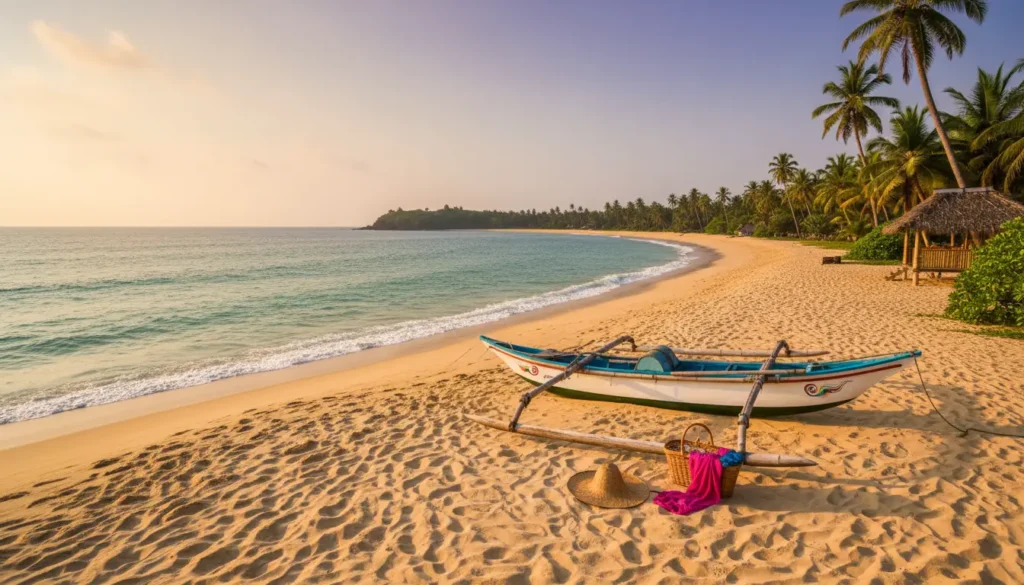
[Suggested image: Sri Lanka south coast sunset, December dry season]
Matching Your Sri Lanka Trip to What You Want to Do
Beach holidays: Sri Lanka beaches follow a simple rule. South and west coasts (Galle, Mirissa, Hikkaduwa, Bentota) are best from December to April. January to March is the peak. The east coast (Trincomalee, Pasikuda, Nilaveli) is best from May to September, with June to August as the warmest and driest window.
Surfing: Sri Lanka has two surf seasons. The south coast (Weligama for beginners, Hikkaduwa and Midigama for experienced surfers) runs from November to April. January to March brings the most consistent swells. The east coast (Arugam Bay) runs from May to September, with June to August producing the biggest waves. You can surf year-round if you switch coasts.
Wildlife safaris: Yala National Park is best for leopard sightings from February to July. The park closes in September and October. The Minneriya Elephant Gathering runs from July to October, peaking in August and September. Hundreds of elephants congregate around one tank. Udawalawe offers elephant sightings year-round. Bundala is best for migratory birds from November to March.
Whale watching: Mirissa on the south coast runs from November to April for blue whales and sperm whales, peaking in February and March. Trincomalee on the east coast runs from May to September.
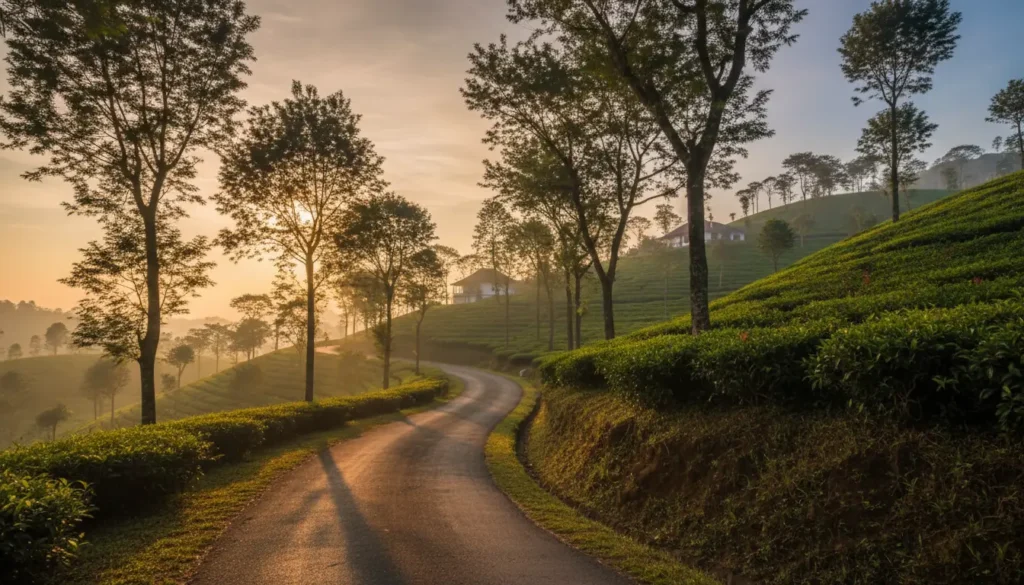
Hiking: The Pekoe Trail and hill country are driest from December to March and June to September. The Adam’s Peak pilgrimage season runs from December to May. The summit path is lit during this window, and thousands of pilgrims climb through the night.
Sri Lanka festivals 2026: Duruthu Perahera (January 8-10, Colombo). Galle Literary Festival (January 22-25). Sinhala and Tamil New Year (April 13-14, island-wide). Vesak (May 1-2, island-wide). Kandy Esala Perahera (August 18-28). Nallur Festival (August 16 to September 12, Jaffna). Deepavali (November 8).
What to Pack and What to Expect Season by Season
Peak season (December to March, south and west coast): Prices run 30-50% higher than low season. Budget guesthouses cost $15-30 per night, mid-range hotels $40-80, luxury $150 and up. Book the Kandy to Ella train at least two to four weeks ahead. Pack light cotton clothes, sunscreen, and a hat.
Monsoon season (May to September, south and west coast): South coast accommodation drops 30-50%. An umbrella works better than a rain jacket. The rain is warm. Plan outdoor time for the morning and expect afternoon downpours. If you’re hiking in the hill country, tuck your trousers into your socks for leeches (common May to November).
East coast season (May to September): The east coast is less developed than the south. Fewer luxury resorts, more guesthouses. Arugam Bay fills with European surfers in July and August, so book ahead. Trincomalee is more family-friendly.
Shoulder seasons (April, September to November): Best-value months. Prices are low and weather is unpredictable but often fine. Keep your itinerary flexible. Have backup plans: cooking classes, temple visits, or Colombo’s museums.
Hill country (any month): Always pack a warm layer for Nuwara Eliya, where nights drop to 10-15°C (50-59°F). The hill country is 10-15°C cooler than the coast.
Your Questions About the Best Time to Visit Sri Lanka
What is the best month to visit Sri Lanka? January and February are the most reliable months for first-time visitors. Both offer dry weather across the south coast, west coast, hill country, and Cultural Triangle. March is slightly less crowded with similar conditions. The best month depends on which region you plan to visit and what you want to do.
Can I visit Sri Lanka during monsoon season? Yes. Monsoon doesn’t mean constant rain. During the southwest monsoon (May to September), mornings on the south coast are often sunny. Rain typically falls in afternoon bursts lasting one to two hours. The east coast is fully dry during this period, so you can simply switch sides.
What is the worst time to visit Sri Lanka? October is the most unpredictable month, with island-wide rain during the inter-monsoon transition. It’s not impossible to travel, but you’ll need a flexible itinerary. For guaranteed dry weather, avoid October and early November.
Is Sri Lanka hot all year round? Coastal areas stay warm year-round at 25-32°C (77-90°F). The hill country is significantly cooler at 15-25°C (59-77°F), and Nuwara Eliya can drop to 10°C (50°F) at night. April is the hottest month, with coastal temperatures reaching 33-35°C (91-95°F).
When is the cheapest time to visit Sri Lanka? May, June, September, and October offer the lowest prices on the south and west coasts, with hotel discounts of 30-50%. October has the cheapest rates of all but the highest risk of rain. September and late November offer the best balance of low prices and reasonable weather.
When is peak tourist season in Sri Lanka? December through March is peak season for the south and west coasts. The highest prices and largest crowds come in late December and January. The east coast peaks from June to August during European school holidays.
Can I surf in Sri Lanka year-round? Yes. The south coast (Weligama, Hikkaduwa, Midigama) works from November to April. The east coast (Arugam Bay) works from May to September. Water temperature stays at 27-29°C (80-84°F) year-round, so you won’t need a wetsuit.
When is the best time for a wildlife safari in Sri Lanka? Yala National Park is best from February to July for leopard sightings. The Minneriya Elephant Gathering peaks in August and September. Whale watching runs from November to April off Mirissa and from May to September off Trincomalee. Bundala National Park is best for migratory birds from November to March.
Author:
Mahesh Jayasekara
– Oreta Travels –